Discover Chiang Rai, a fascinating destination in northern Thailand.
Visit Pha Hi, a picturesque village nestled in the mountains, renowned for its coffee and tea plantations where you can enjoy exceptional local dishes.
Explore the legendary Golden Triangle, at the meeting point of the Thai, Laotian, and Burmese borders, steeped in history and mystery.
Meet the diverse ethnic groups of the region and discover their unique traditions and authentic craftsmanship.
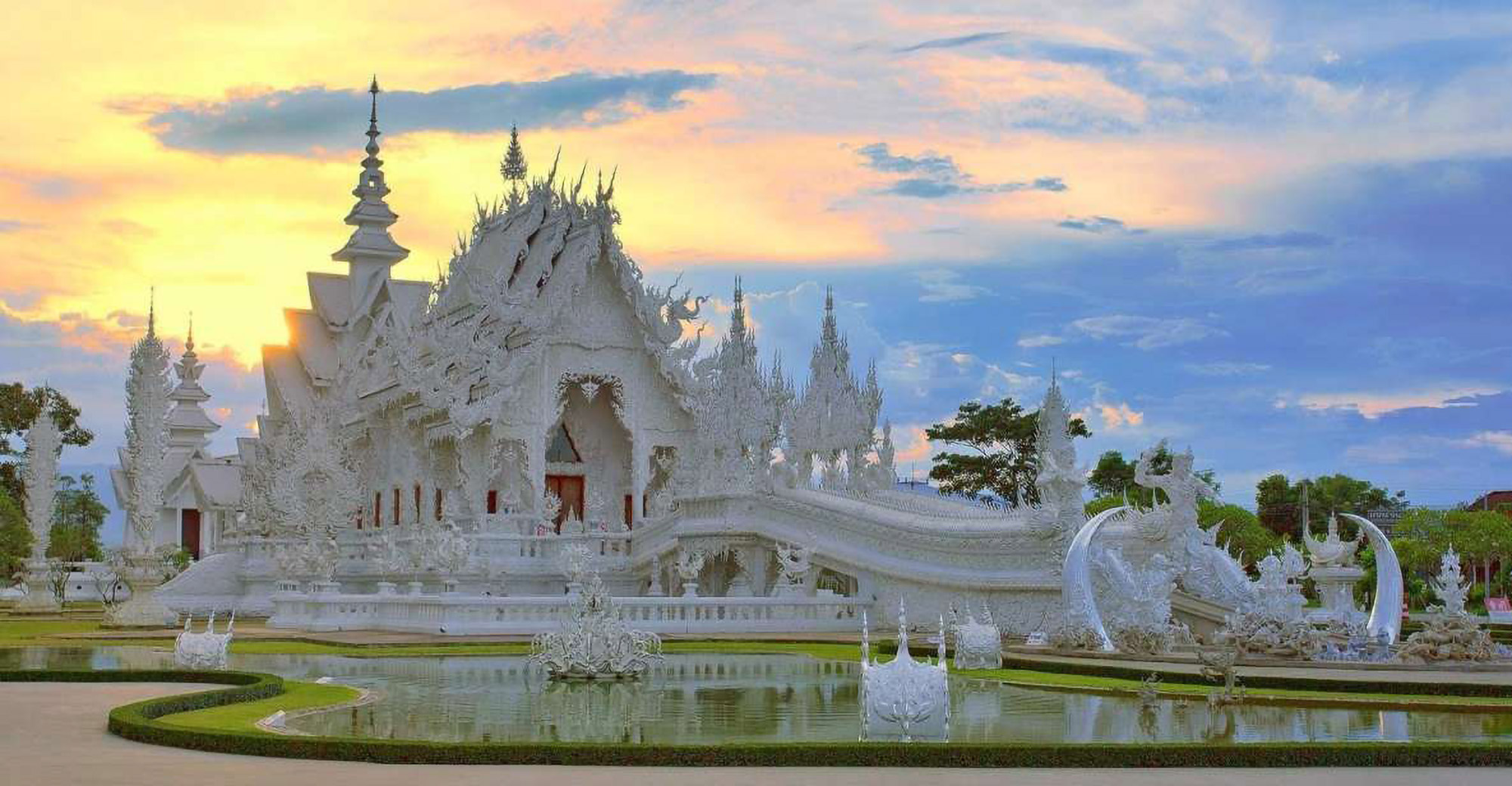
Marvel at the magnificent temples, such as Wat Rong Khun, also known as the White Temple, a spectacular work of art.
Immerse yourself in the local culture by visiting bustling markets and savoring delicious northern Thai cuisine.
Our activities in Chiang Rai
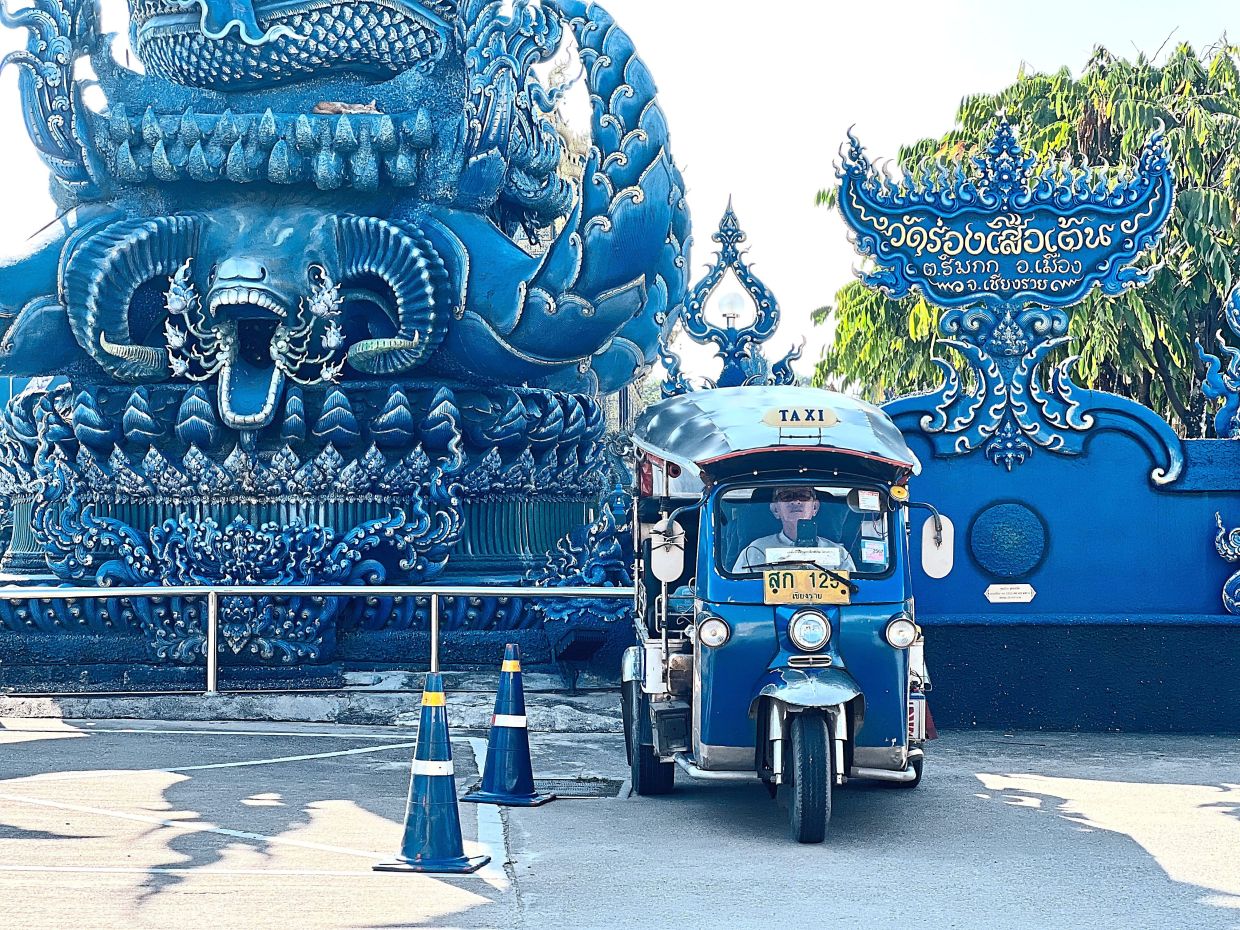
Chiang Rai city, tuk-tuk tour
The golden triangle
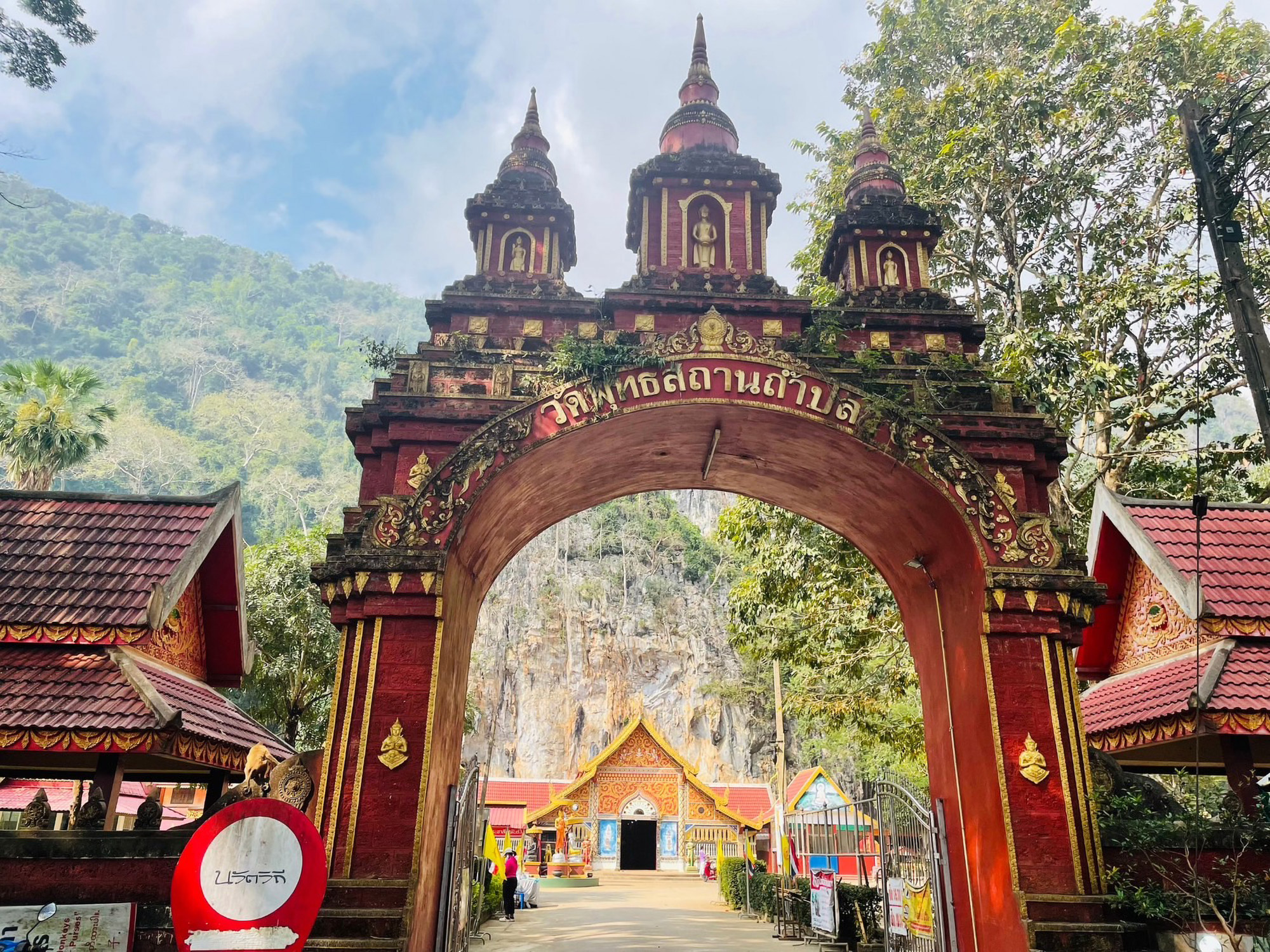
Pha hi
Photo Gallery
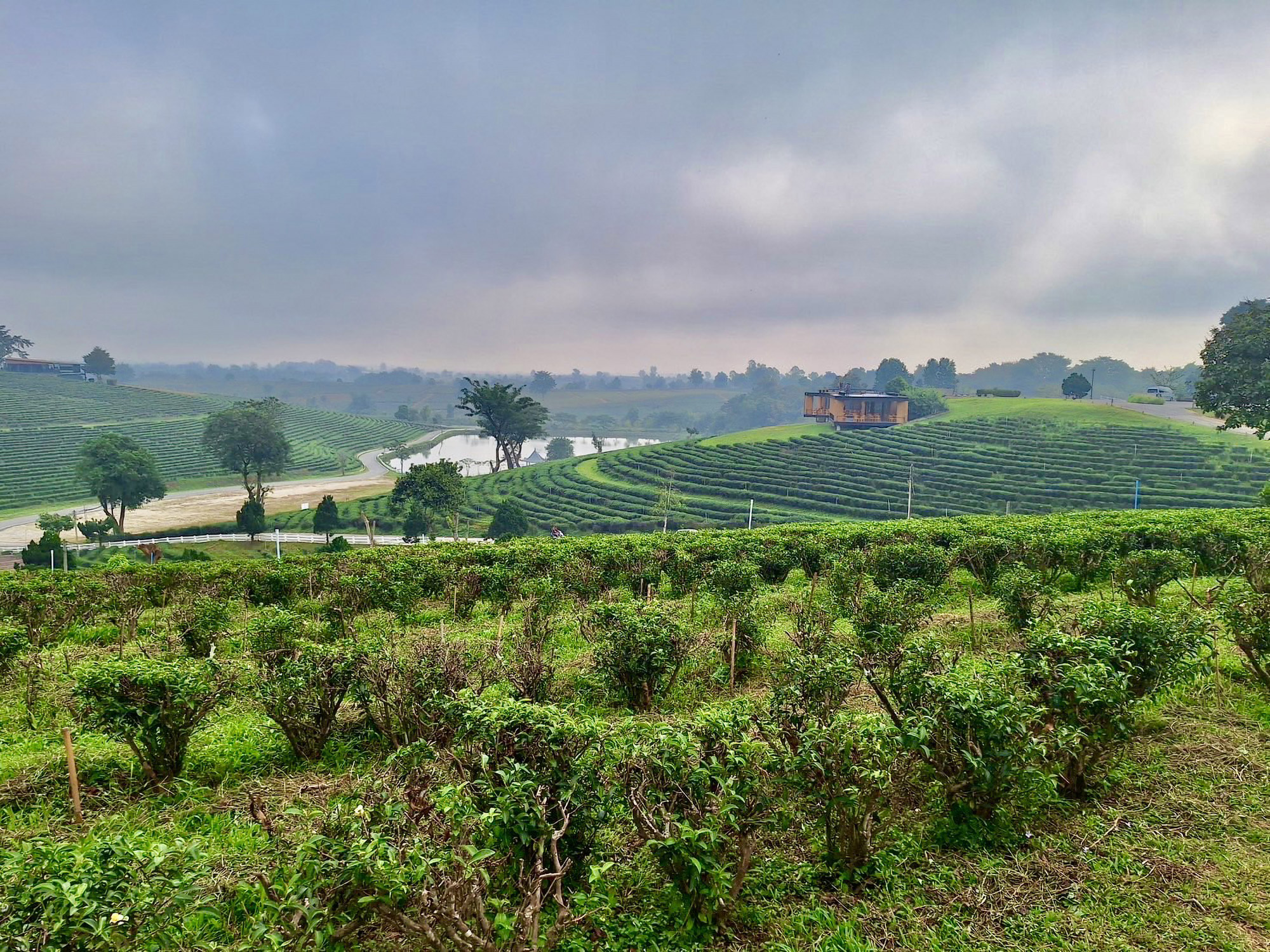
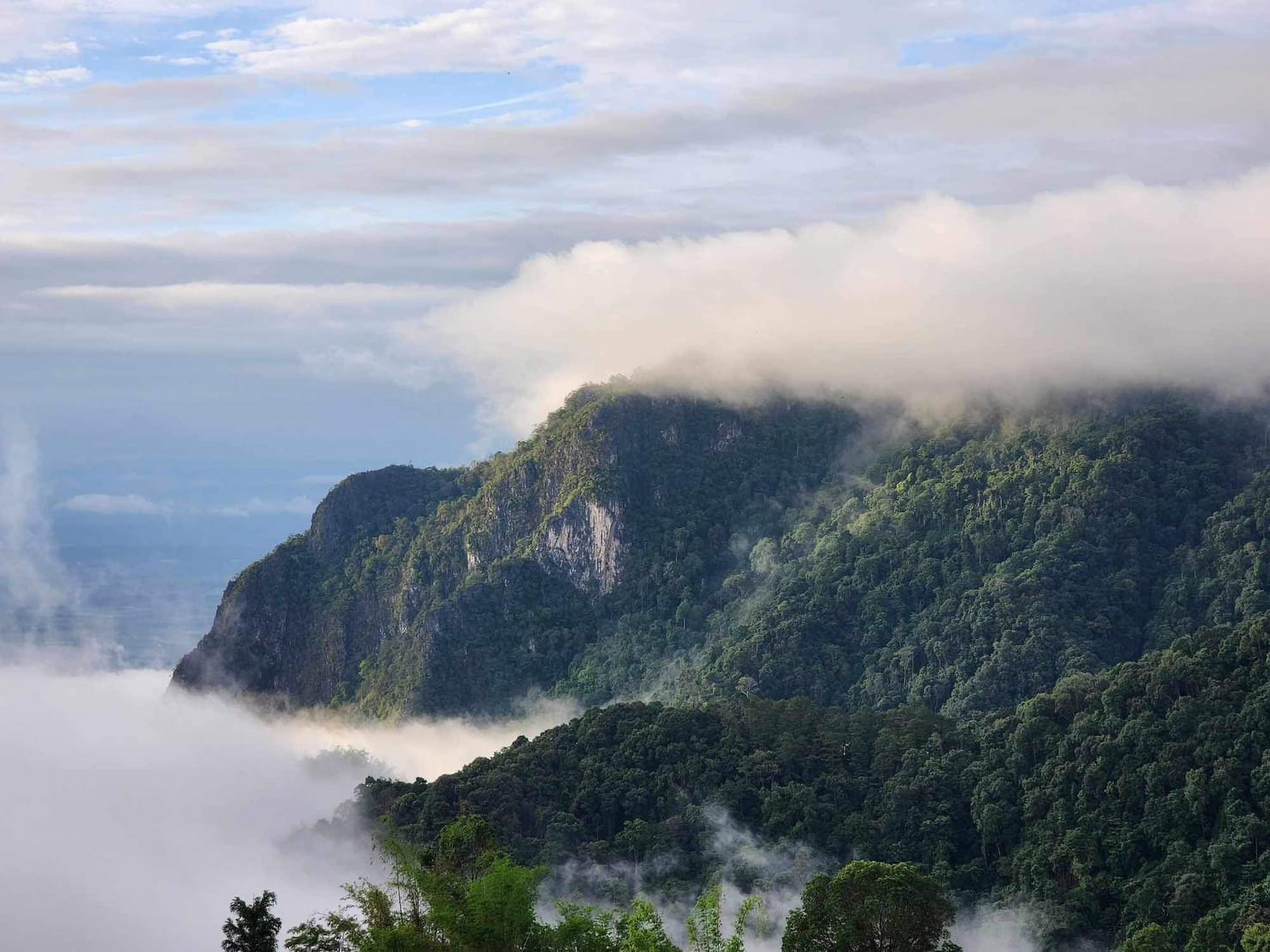
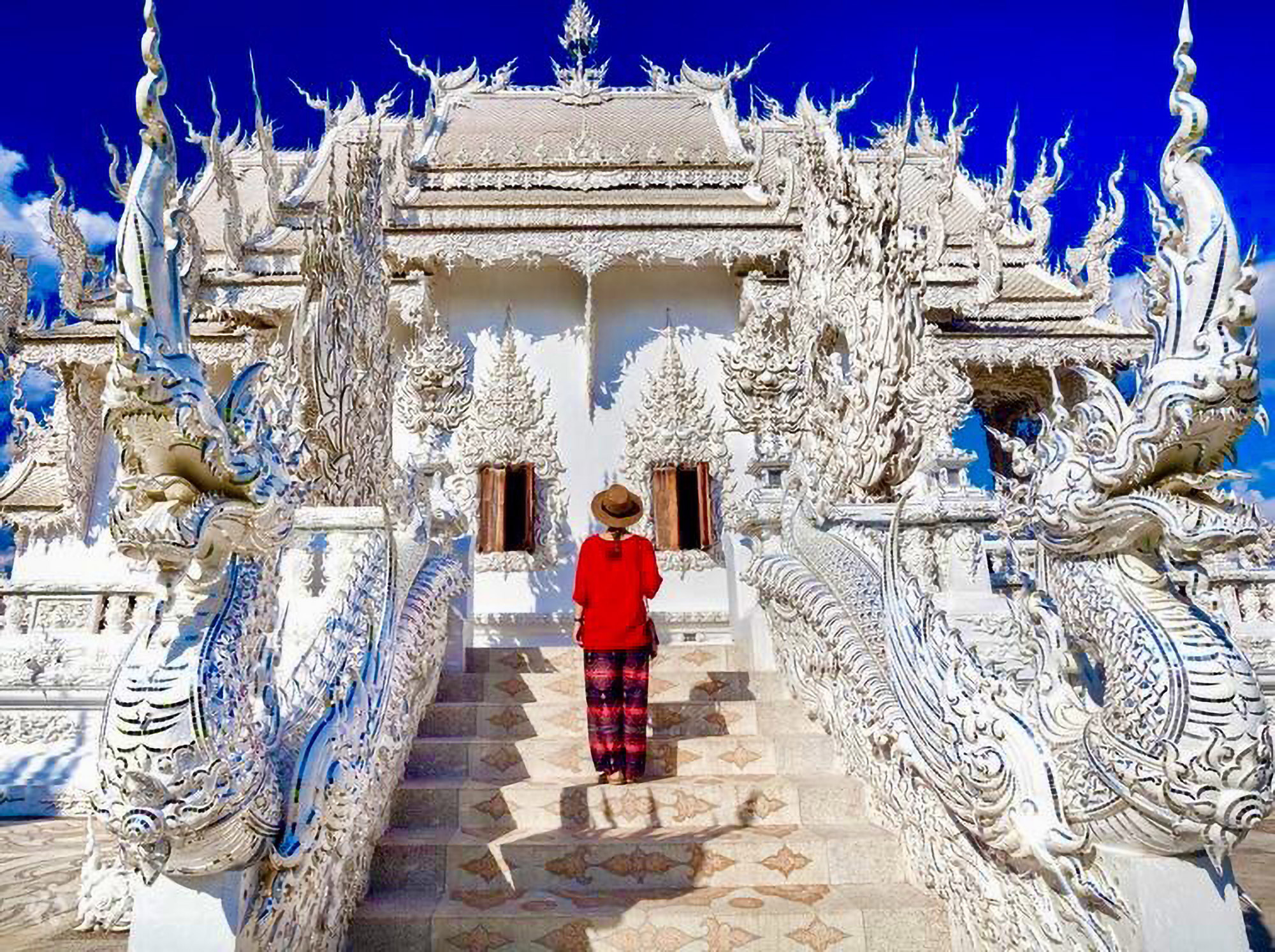
Chiang Rai, a cultural gem of northern Thailand, captivates visitors with its rich heritage and exceptional mountainous landscapes.
Founded in 1262, this former Lanna capital stands out for its unique temples, including the spectacular Wat Rong Khun (White Temple). Its strategic location near the Golden Triangle makes it a cultural crossroads where diverse hill tribes with preserved traditions coexist. The region offers breathtaking natural scenery, from tea plantations and misty mountains to cruises along the Mekong River.
Best visited between November and February, this UNESCO Creative City promises an authentic immersion far from mass tourism.
Chiang Rai reveals itself as a fascinating destination nestled in northern Thailand. Founded in 1262 by King Mengrai, this former capital of the Lanna Kingdom showcases a rich cultural heritage. We particularly appreciate this region for its ethnic diversity, majestic mountains, and uniquely designed temples. Recognized by UNESCO as a Creative City of Design, Chiang Rai offers travelers an authentic northern Thai experience. We invite you to discover this land where lush nature and cultural treasures coexist harmoniously, far from traditional tourist paths.
Where is Chiang Rai located and how to get there?
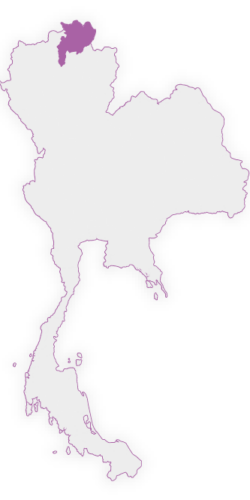
Nestled in the far north of Thailand, Chiang Rai Province is the country’s northernmost region. The city lies gracefully along the Kok River, about 785 kilometers from Bangkok and 197 kilometers north of Chiang Mai. Its strategic position near the borders of Laos and Myanmar makes it an important commercial and administrative hub in Southeast Asia.
To reach this destination, several options are available. Air travel remains the fastest and most convenient, with daily flights from Bangkok (1h25), Phuket, or Chiang Mai arriving at Mae Fah Luang International Airport, located just 8 km from the city center. Travelers who prefer overland journeys can take a bus from Bangkok’s Mo Chit Terminal, a roughly 12-hour trip through spectacular mountainous landscapes.
Although Chiang Rai has no railway station, we recommend taking a train to Chiang Mai first, then continuing by bus for about three hours to reach your final destination.
Iconic temples not to be missed
The majestic Wat Rong Khun, commonly known as the White Temple, is the region’s main attraction. Located 13 km south of the city, this contemporary sanctuary designed by Thai artist Chalermchai Kositpipat impresses with its immaculate white color symbolizing Buddhist purity. Its mirrored ornaments sparkle in the sunlight, creating a dazzling spectacle. Inside, colorful murals blend traditional religious symbols with figures from global pop culture. Entrance fee: 100 baht. Open daily from 8:00 AM to 5:00 PM.
Wat Rong Suea Ten, or the Blue Temple, amazes visitors with its dominant azure color and majestic purple dragons. Also designed by Chalermchai Kositpipat, it houses a large white Buddha and is a must for photography enthusiasts. Located just a few kilometers from the city center, it is open from 8:00 AM to 8:00 PM with free entry.
Wat Phra Kaew holds special historical significance. Legend says the famous Emerald Buddha, now in Bangkok, was discovered here in 1434. Its traditional Lanna architecture features extensive use of teak wood. A botanical garden and museum complete the visit.
About 10 km from the center, Wat Huay Pla Kang impresses with its enormous statue of Guan Yin, the Chinese goddess of compassion. An elevator takes visitors to the top for panoramic views. Entrance fee: 50 baht.
Exploring Chiang Rai’s natural attractions
Mountains and panoramas
Mount Phu Chi Fah is one of the region’s natural jewels. Rising to 1,628 meters, it offers spectacular views over neighboring Laos, especially at sunrise. During winter months, a sea of mist blankets the valleys below, creating an ethereal landscape.
Overlooking the city, Doi Incee features a pagoda accessible via a forest trail where elegant white peacocks roam. The climb is free and rewarded with sweeping views of the region.
Plantations and parks
We regularly organize excursions to Doi Mae Salong, a Chinese village in the mountains known for its vast tea plantations. Visitors can observe tea picking and traditional roasting processes, and visit Wat Santakhiri temple, accessible via 718 steps.
Coffee lovers should not miss Doi Chang, home to high-altitude plantations producing some of Thailand’s finest coffee. Guided tours showcase every stage of coffee production.
Singha Park, the largest farm in the country, surprises visitors with landscapes reminiscent of Europe, featuring rolling tea fields. From November to mid-February, the flower festival transforms the park into a colorful paradise, while in February, hot air balloons fill the sky for Valentine’s Day.
Unique cultural experiences
Ethnic villages
The Chiang Rai region is home to a fascinating mosaic of tribal cultures. In Mae Sai, a border town near Myanmar located 30 km from the Golden Triangle, visitors can meet the Akha people. These hill tribes are known for their black embroidered garments adorned with silver ornaments. The local market offers authentic handicrafts.
The Karen long-neck village provides a striking cultural experience, where women wear brass rings around their necks, maintaining an ancient tradition.
Museums and historical sites
The Baan Dam Museum (Black House) offers a unique artistic vision. Created by Dr. Thawan Duchanee, this complex of 40 traditional buildings displays unusual collections of objects, animal skins, and skeletons, reflecting on aging and illness in Buddhist philosophy.
The Hilltribe Museum, located in the city center, presents a rich ethnographic collection and serves as an excellent introduction before visiting local communities.
Markets and nightlife
Every evening, the Chiang Rai Night Bazaar comes alive near Bus Terminal No. 1. This traditional market combines a food court with local dance performances. On weekends, Walking Streets attract locals enjoying authentic street food and participating in group dances that visitors are welcome to join.
The Golden Triangle and surroundings
The Golden Triangle, where Thailand, Laos, and Myanmar meet, marks the confluence of the Ruak and Mekong rivers in a stunning natural setting. Once a major hub of the opium trade, the area has shifted to producing high-quality rice and tea.
The Opium Museum explores the complex history that shaped the region. Visitors can also cross the river briefly into Laos, although no official border crossing exists.
Nearby, the ancient city of Chiang Saen preserves historical ruins reflecting a rich past. A cruise on the Mekong River offers a unique perspective on local landscapes and lifestyles. We regularly organize excursions combining the Golden Triangle and river cruises.
Practical tips for your stay
When to visit
The best time to visit Chiang Rai is between November and February, during the dry season with mild temperatures and ideal lighting for photography. From March to May, temperatures can reach 40°C, and agricultural burning in neighboring countries may affect air quality.
June to August brings occasional rain but remains pleasant, while the monsoon season (September–October) can bring heavy rainfall and flooding, making it less suitable for travel.
Getting around
Several options are available for getting around. Tuk-tuks are the most iconic, with negotiable fares. Cycle rickshaws (Sam Lo) are ideal for short trips in the city center. For more independence, bicycles and motorbikes can be rented from most accommodations.
Songthaews (shared pickup taxis) offer an authentic local experience. Private transfers can also be arranged for more comfort during longer excursions.
Where to stay
Chiang Rai offers accommodations for all budgets. The Patta Hotel, located near the night market, provides excellent value for money. The Nak Nakara, designed in a modern Lanna style, stands out for its traditional-inspired architecture.
For a more luxurious experience, Le Méridien Resort is set in lush surroundings around an artificial lake. The Legend Boutique River Resort & Spa, located along the Mae Kok River, combines traditional elegance with modern comfort in a peaceful setting—perfect for relaxing after a day of exploration.