Discover Krabi and its natural beauties, on land or at sea.
Imagine a place where the blue of the sea merges with the lush green of tropical forests, where limestone cliffs proudly rise above crystal-clear waters.
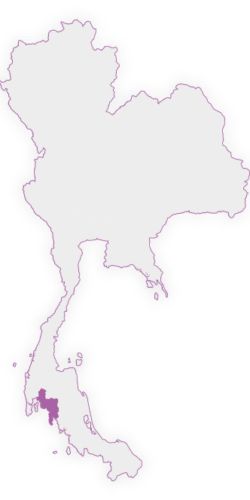
Located on the west coast of Thailand, bordered by the Andaman Sea, Krabi province is the perfect destination for those looking to reconnect with nature, both on land and at sea.
Beyond its beaches and islands with majestic marine life, Krabi is a true treasure trove of natural wonders.
Caves hidden within its cliffs whisper stories of ancient civilizations.
For hiking enthusiasts, the region’s national parks unfold winding trails through lush jungle.
Our activities in Krabi
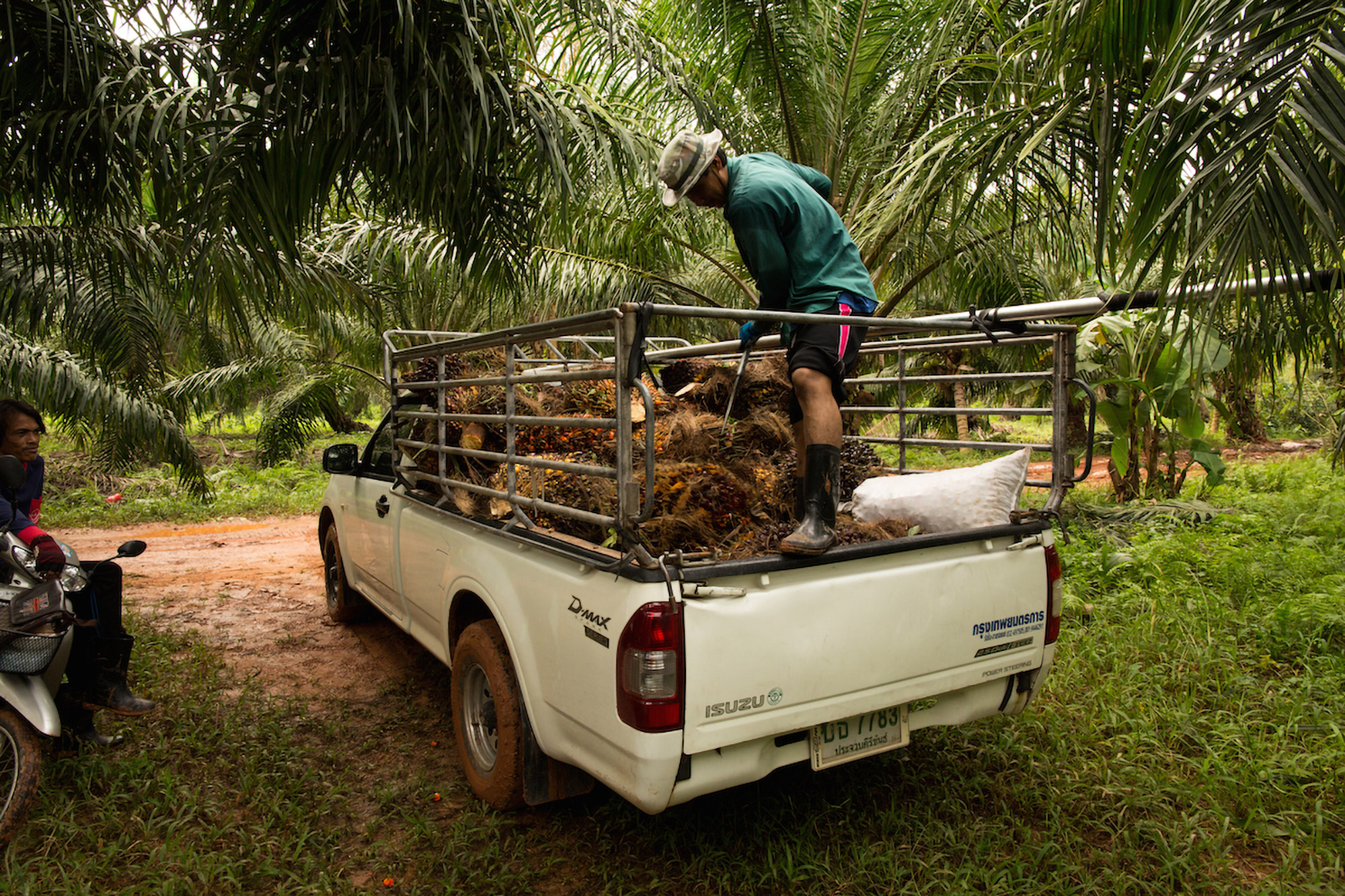
Local Life Tour in Krabi
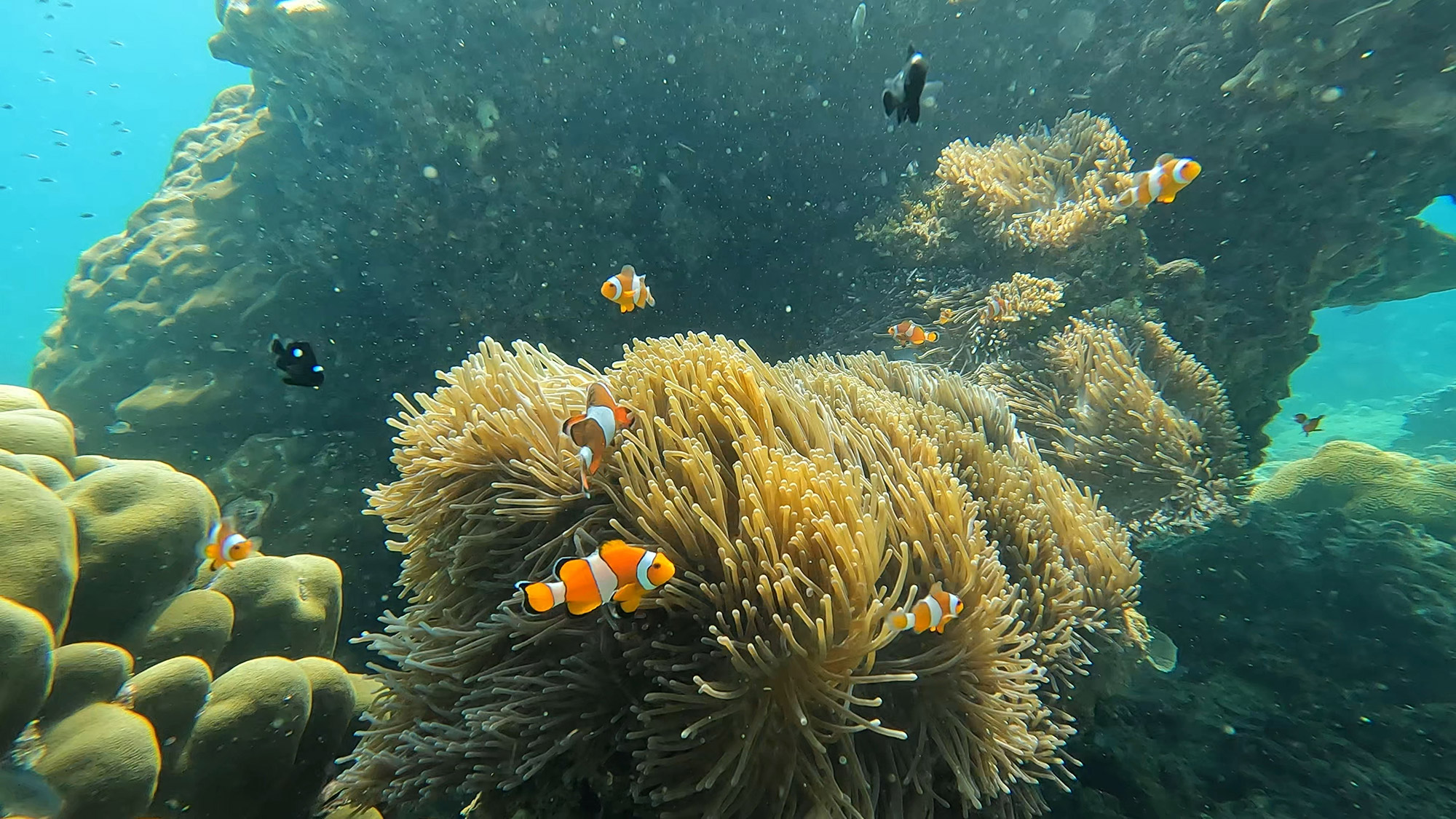
Excursion and snorkelling in Koh Hong
Photo Gallery
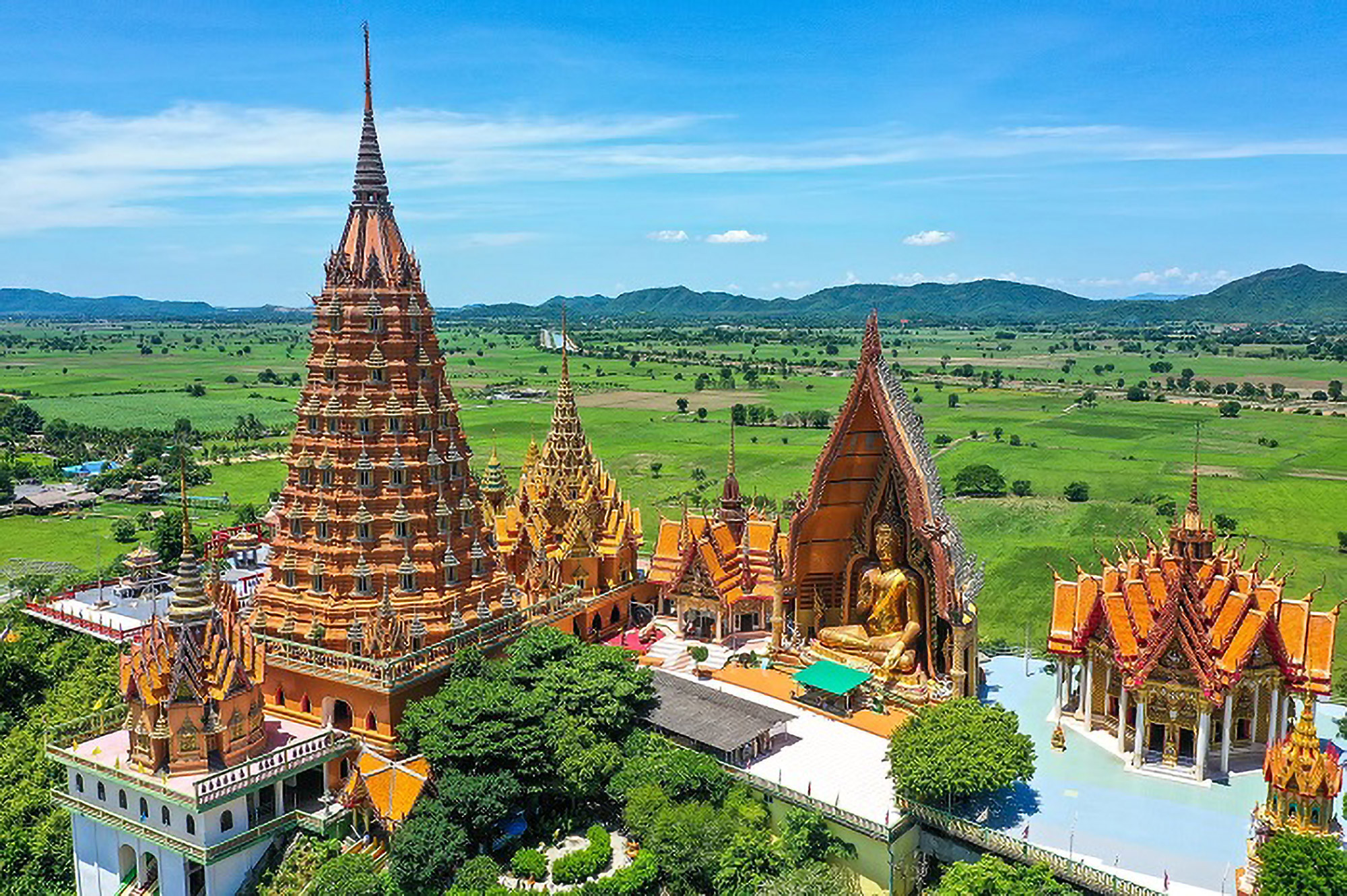
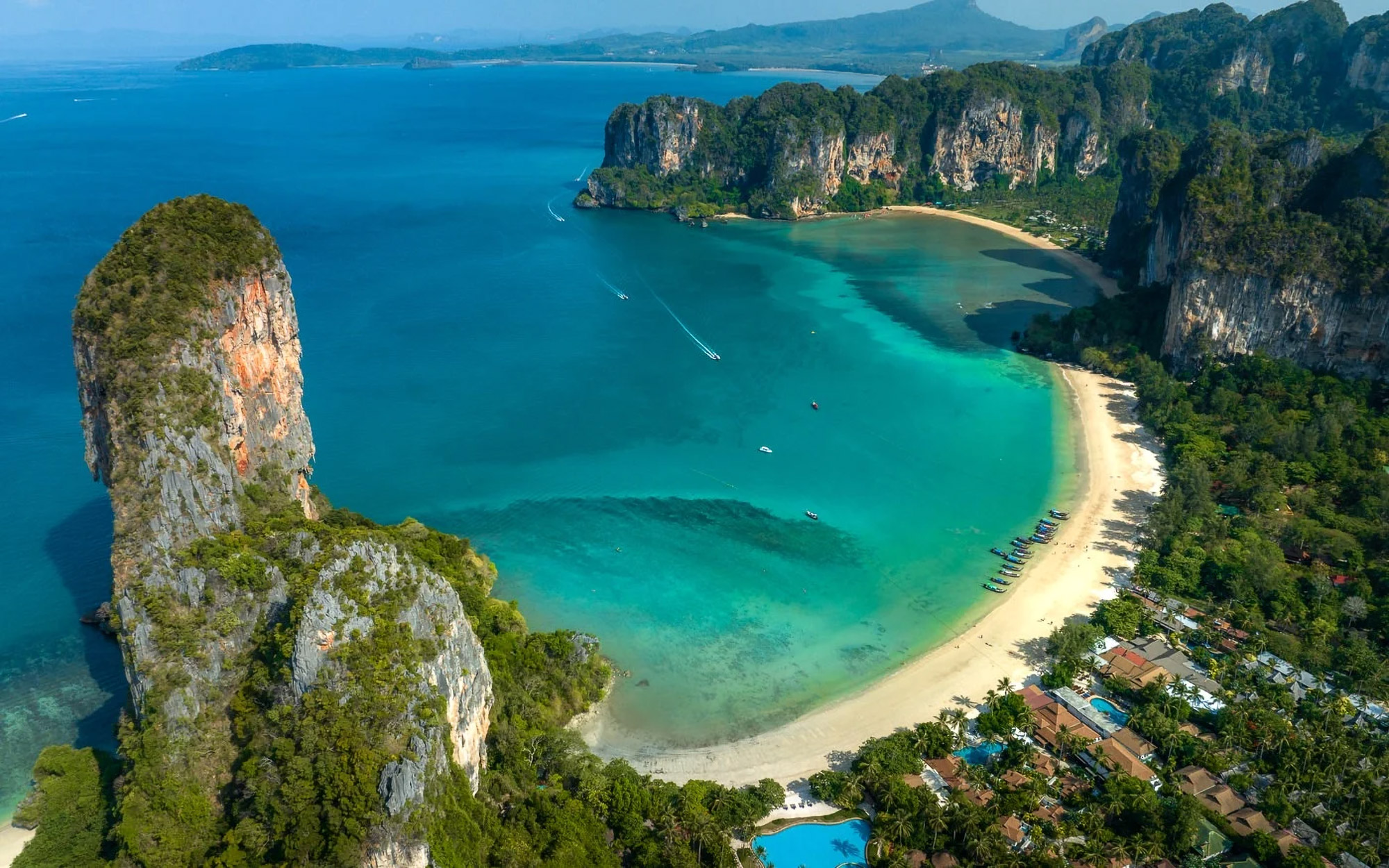
Krabi: Karst Cliffs and Beaches in Thailand
Do you dream of breathtaking landscapes combining paradisiacal beaches and lush jungle, but dread overcrowded destinations? Nestled on Thailand’s Andaman coast, Krabi captivates with its spectacular karst cliffs, turquoise islands, and preserved authenticity. This guide reveals how to balance adventures in nature, relaxing on white sand beaches, and immersing yourself in a rich culture, all accompanied by practical tips for a memorable trip.
Krabi, a gem of Thailand
A preserved natural setting
A southern Thai province bordering the Andaman Sea, Krabi unfolds its landscapes between karst formations and tropical forests. Its 4,709 km² host eight national parks where jungle and mangroves coexist.
The limestone cliffs sculpted by monsoons dominate the coast, forming sea caves accessible at low tide. Khao Phanom Bencha National Park reveals spectacular waterfalls, while nearby islands hide emerald lagoons.
| Site | Features | Access |
|---|---|---|
| Mu Koh Phi Phi | Archipelago with crystal-clear waters | Boat from Ao Nang |
| Khao Sok | Millenary primary forest | Road from Krabi Town |
| Than Bok Khorani | Underground rivers | Guided excursions |
A destination with many faces
Krabi preserves its authenticity thanks to controlled tourism. Fishing villages coexist with environmentally-conscious resorts.
Krabi Town combines traditional architecture with subtle modernity, while Ao Nang charms with measured liveliness. The Railay Peninsula, inaccessible by road, offers a secluded nature escape.
Climate and best time to visit
The dry season (November to March) is the ideal time to explore Krabi. To compare Krabi with other Thai islands in April, and to know the best islands to visit in February, rainfall remains moderate at the start of the hot season.
Tides influence water activities: some coves are revealed at low tide, exposing temporary sandbanks. Marine currents require particular caution during sea excursions.
Unique experiences to discover
Land adventures
The trails of Khao Phanom Bencha National Park invite hikes through the jungle, where macaques and monitor lizards can be observed. The Dragon Crest Trail rewards hikers with a 360° panorama of Phang Nga Bay.
Rock climbing on the limestone cliffs of Railay attracts climbers from all over the world. Over 700 routes suited to all levels wind between stalactites and tropical vegetation, overlooking the ocean.
Maritime explorations
Boat excursions reveal a new archipelago each day: from the legendary Phi Phi Islands to the secret coves of Koh Hong. These explorations perfectly fit into the region’s must-see circuits.
The seabed of the Andaman Sea reveals its biodiversity during dives around Koh Bida. Fluorescent corals and clownfish swim in waters averaging 28°C.
Cultural immersion
Fishing villages such as Ko Klang open their doors to visitors to share ancestral techniques and recipes using local products. The night markets of Krabi Town showcase a fusion gastronomy.
The Krabi Naga Fest in November transforms beaches into open-air stages, combining traditional dances and concerts. Craft workshops perpetuate local know-how in batik and basket weaving.
Annual events
Festivals and nautical traditions animate the waterways.
Ecotourism initiatives, like beach cleanups, involve travelers in site preservation. These concrete actions complement a constantly evolving cultural offer.
Practical tips for a successful trip
Optimizing your itinerary
Alternating beach days and active explorations allows a better understanding of Krabi’s appeal. Schedule morning excursions to avoid crowds at key sites such as the Phi Phi Islands or the Tiger Cave Temple.
A typical 5-day itinerary combines discovery of Railay Beach, a maritime safari around Koh Poda, and hiking in Khao Sok National Park. Adjust the pace according to your preferences, reserving afternoons for seaside relaxation.
Getting around smartly
Water taxis are essential for reaching isolated peninsulas, while songthaews (modified pick-ups) provide an affordable solution for land trips. Prioritize booking apps for long-distance transfers.
Always negotiate tuk-tuk fares before the ride and check safety equipment on boats. Beware of too-good-to-be-true “exclusive” excursions offered on the street.
Preparing your budget
Allocate 40% of your budget for accommodation, 30% for water activities, and 30% for food. Local guesthouses offer excellent value outside tourist areas.
Save money by traveling between May and October, when hotels offer attractive rates. This regional itinerary can be part of a more extensive trip combining culture and relaxation across the country.
Anticipate service charges (10% in restaurants) and airport taxes (700 THB departing from Krabi).
Krabi vs neighboring destinations
Comparative advantages
Unlike Phuket with its crowded beaches, Krabi maintains an intimate atmosphere. Its karst formations offer a more spectacular setting than the bays of Koh Samui, while remaining less crowded off-season.
The province stands out for its accessibility: 130 islands to explore from its coast compared to about forty for Phuket. The range of nature activities (climbing, kayaking) is also more diverse.
Combined circuits
Combine Krabi with a cultural stay in Bangkok or a wellness retreat in Koh Lanta. Ferries connect neighboring islands daily, allowing a tailor-made itinerary.
A regional road trip could include the temples of Krabi Town, rubber plantations in Surat Thani, and the national parks of Phang Nga. Plan at least 10 days for this type of journey.
Cultural specifics
Krabi preserves distinct traditions, such as natural rubber work and cast-net fishing. Its gastronomy blends Malay influences and ancestral maritime recipes.
Local crafts stand out for batiks with marine motifs and teak wood carvings. Krabi Town markets offer these unique creations at attractive prices.
Future prospects
Ecotourism projects aim to limit the impact of visitors on fragile sites. The province focuses on responsible development, with strict standards for coastal construction.
Weather forecasts predict a shorter rainy season by 2030, potentially extending the ideal period to visit the region.
Between karst cliffs, pristine beaches, and lush jungle, Krabi stands as a preserved natural gem where every landscape tells the story of authentic Thailand. Whether your interests lean toward land adventures, maritime exploration, or cultural relaxation, these Andaman treasures can be discovered with expert advice and careful planning. The time has come to turn these postcard landscapes into unforgettable memories – your Thai getaway deserves its Krabi chapter.